A Beginner's Guide to Herbal Powders
Walk into any Indian grandmother's kitchen and you will find them: small jars of green and ochre powders, refilled for decades. Herbal powders are the least glamorous and most honest form a plant can take — the whole herb, dried and ground, nothing added.
How a good powder is made
The plant is harvested in season, shade-dried to protect its volatile compounds, and milled cold. That is the entire process. If a label lists more than one ingredient, it is not a powder — it is a blend, and you deserve to know what is in it.
Three classics to start with
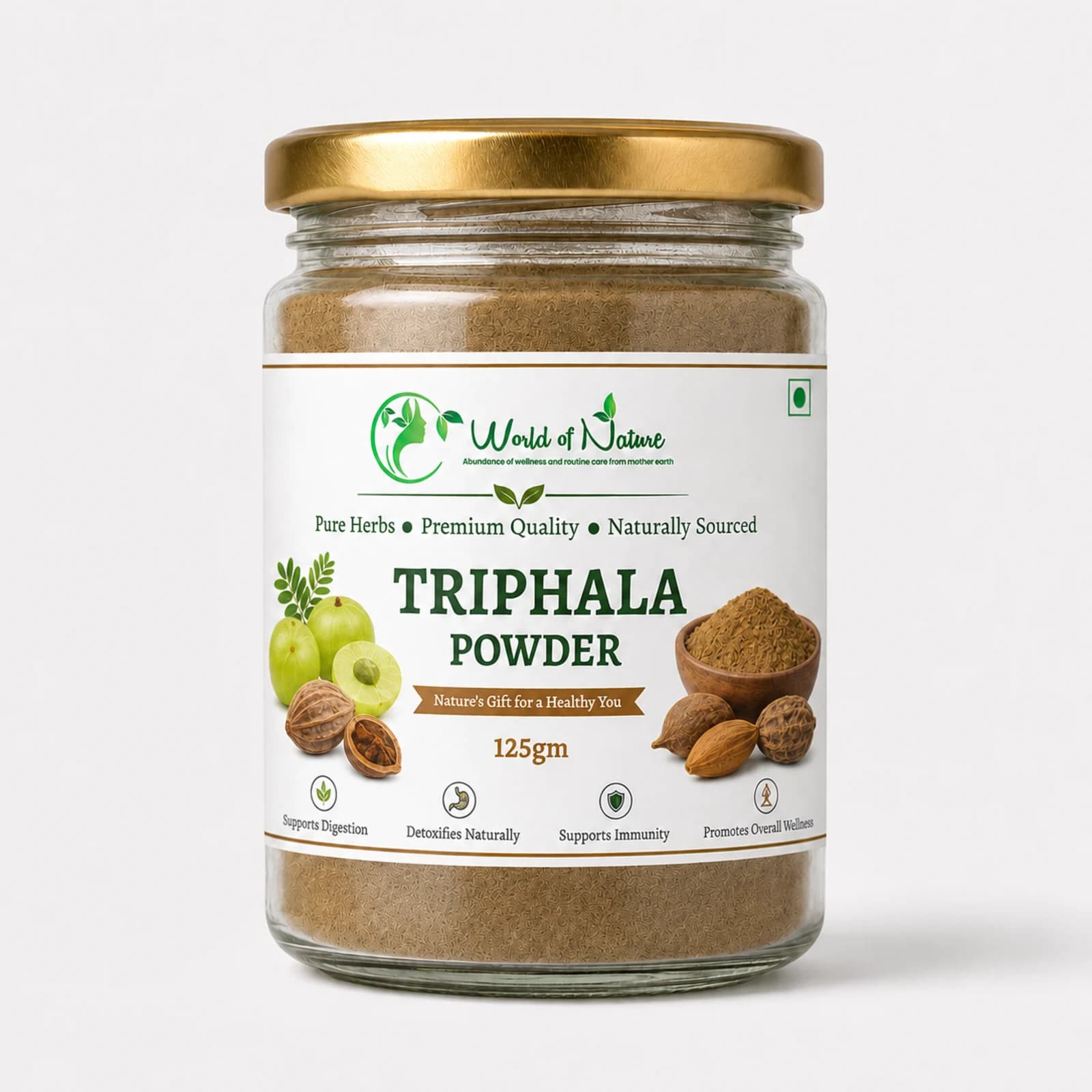
Triphala — the famous three-fruit blend, taken warm with water in the evening.
Ashwagandha — the root, earthy and bitter; most people take it in warm milk before bed.
Amla — the Indian gooseberry, sharp and sour, stirred into water or honey in the morning.
Start with half a teaspoon, once a day, for two weeks. Notice what changes. Traditional herbs work at the pace of seasons, not minutes.
Every powder on our shelf is single-ingredient and named for exactly what it is. When in doubt about how one fits your routine — especially alongside medication or during pregnancy — ask your doctor first.